

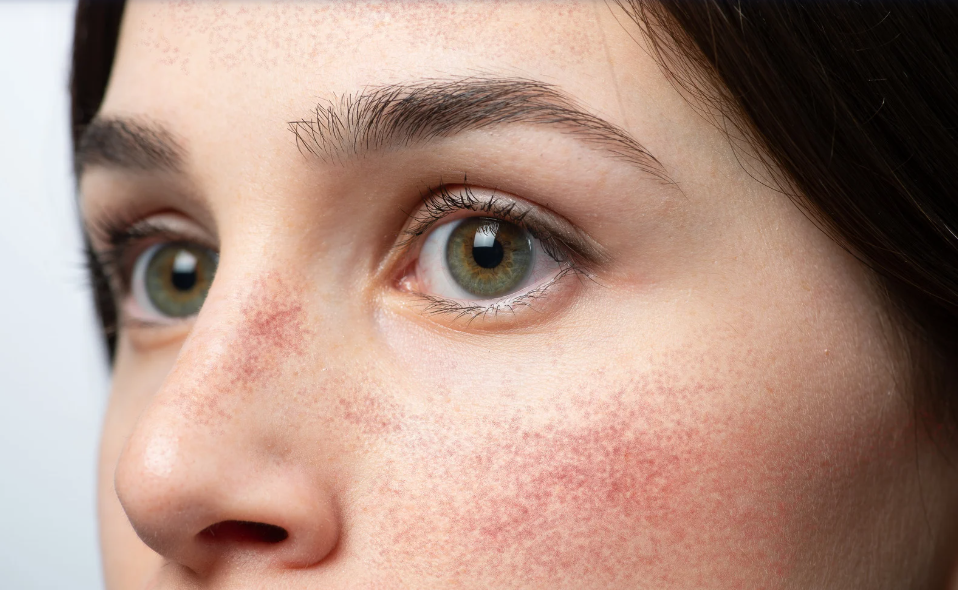
Most people think of rosacea as a skin condition that causes facial redness and flushing. However, rosacea can also affect the eyes — a condition known as ocular rosacea.
Ocular rosacea is a common but often overlooked cause of chronic dry eye symptoms, irritation, redness, and eyelid inflammation. Many patients do not realize their eye discomfort may be connected to their skin condition.
Understanding the signs of ocular rosacea can help you seek treatment early and protect your long
term eye health.
What Is Ocular Rosacea?
Ocular rosacea is an inflammatory condition that affects the eyes and eyelids. It is closely linked to facial rosacea and can develop before, during, or after skin symptoms appear.
The condition commonly affects the meibomian glands, which are tiny oil glands along the eyelids responsible for keeping tears from evaporating too quickly.
When these glands become inflamed or blocked, patients may develop dry eye disease and chronic irritation.
Why Ocular Rosacea Causes Dry Eyes
Healthy tears contain an oily layer that prevents tears from evaporating too quickly. In ocular rosacea, inflammation affects the meibomian glands, reducing oil production and destabilizing the tear film.
This can lead to evaporative dry eye disease, one of the most common forms of dry eye.
As tears evaporate more rapidly, the eyes become irritated and inflamed, causing symptoms such as:
- Burning eyes
- Red eyes
- Watery eyes
- Dry or gritty sensation
- Eyelid inflammation
- Sensitivity to light
- Blurred vision
- Stinging or itching eyes
- Frequent eye irritation
- Contact lens discomfort
What Triggers Ocular Rosacea Flare-Ups?
Certain environmental and lifestyle factors may worsen ocular rosacea symptoms.
Common triggers include:
- Sun exposure
- Heat and hot weather
- Wind and dry air
- Spicy foods
- Alcohol
- Stress
- Prolonged screen time
- Poor eyelid hygiene
Identifying triggers can help patients better manage flare-ups and reduce discomfort.
How Optometrists Diagnose Ocular Rosacea
An optometrist can perform a comprehensive dry eye and ocular surface evaluation to identify signs of ocular rosacea.
This may include:
- Examining the eyelids and meibomian glands
- Assessing tear quality and stability
- Evaluating inflammation around the eyes
- Checking for gland blockage or dysfunction
Because symptoms often overlap with allergies or general dry eye disease, professional evaluation is important for accurate diagnosis.
Why Early Treatment Matters
Without proper treatment, chronic inflammation associated with ocular rosacea may worsen over time and impact quality of life.
Early management can help:
- Improve daily comfort
- Reduce dry eye symptoms
- Support healthier tear production
- Prevent worsening gland dysfunction
Patients who experience persistent burning, redness, or watery eyes should seek a professional dry eye evaluation.
When to See an Optometrist
If you have facial rosacea along with eye irritation, dryness, or redness, it may be time to schedule an eye examination.
You should consider a dry eye assessment if you experience:
- Chronic burning or watery eyes
- Persistent redness
- Frequent eye irritation
- Sensitivity to light
- Symptoms that do not improve with over-the-counter eye drops
A personalized treatment plan can help address the underlying inflammation contributing to your symptoms.
Find Relief from Ocular Rosacea and Dry Eye Symptoms
Ocular rosacea is more prevalent than many individuals might think and can greatly impact both eye comfort and the quality of vision. Thankfully, contemporary dry eye treatments are available to help manage inflammation and provide long-term relief from symptoms.
Our optometry dry eye clinic provides cutting-edge diagnostics and tailored treatment options, including prescription medications and intense pulsed light therapy, specifically designed for patients suffering from ocular rosacea and chronic dry eye symptoms.
Book a consultation today to learn more about treatment options designed to restore healthier, more comfortable eyes.
Visit Us: 2129 Lakeshore Blvd West, Etobicoke, ON, M8V 0B3
Hours: Mon–Wed 10:00am–7:00pm | Thurs-Friday 9:00am–6:00pm
Contact: 416-259-3553 | info@humberbayeyecare.com